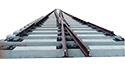
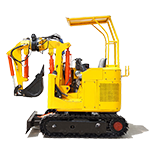
Switch sections serve as critical turning points in railway tracks, where sleepers endure complex stresses over time, leading to aging and damage. Their compact structure and confined space make traditional manual sleeper replacement inefficient and high-risk. Railway switch sleeper excavators, as specialized equipment, have become the core tool for switch sleeper replacement through mechanized integrated operations.
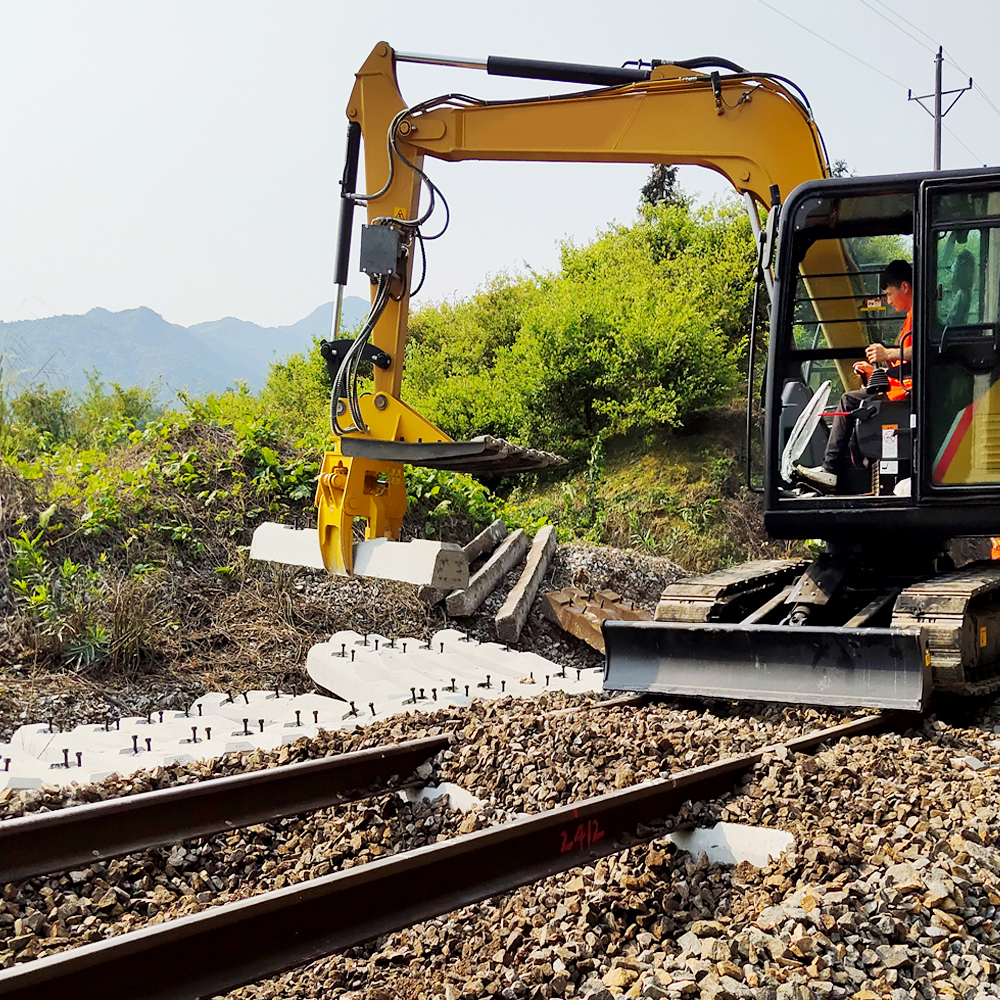
The working arm features a 360° rotating dual-stage slewing mechanism paired with dual limit switches, enabling precise angle control to prevent contact with overhead lines or intrusion into adjacent tracks. Core attachments are highly specialized: the ballast rake with tapered steel claws rapidly clears ballast, while the sleeper gripper—constructed from high-strength steel with check-valve cylinders—securely holds 200-kg concrete sleepers without slippage. Select models can swap attachments for multifunctional tasks like screen cleaning and ballast bed shaping.
Safety measures are equally robust: an internal combustion emergency system drives the machine out of hazardous zones during main equipment failures. The 107° rotation restriction during dual-track operations effectively mitigates risks from adjacent trains. Standardized, high-efficiency workflow: After rail locking, the ballast rake precisely clears ballast. The clamp removes old sleepers, lifts new ones into position with fine alignment adjustments, and manually assists in tightening before leveling the ballast bed—achieving over 20 times the efficiency of manual labor.
This equipment not only drastically reduces construction window time for switch sleeper replacement, minimizing disruption to railway operations, but also ensures replacement precision and ballast bed stability through mechanized operations. It lowers manual labor intensity and safety risks, establishing itself as critical modern railway switch maintenance equipment that provides robust assurance for safe and smooth track operation.